
Why Woodside Stands Out as a Prime Solar Location in the Bay Area
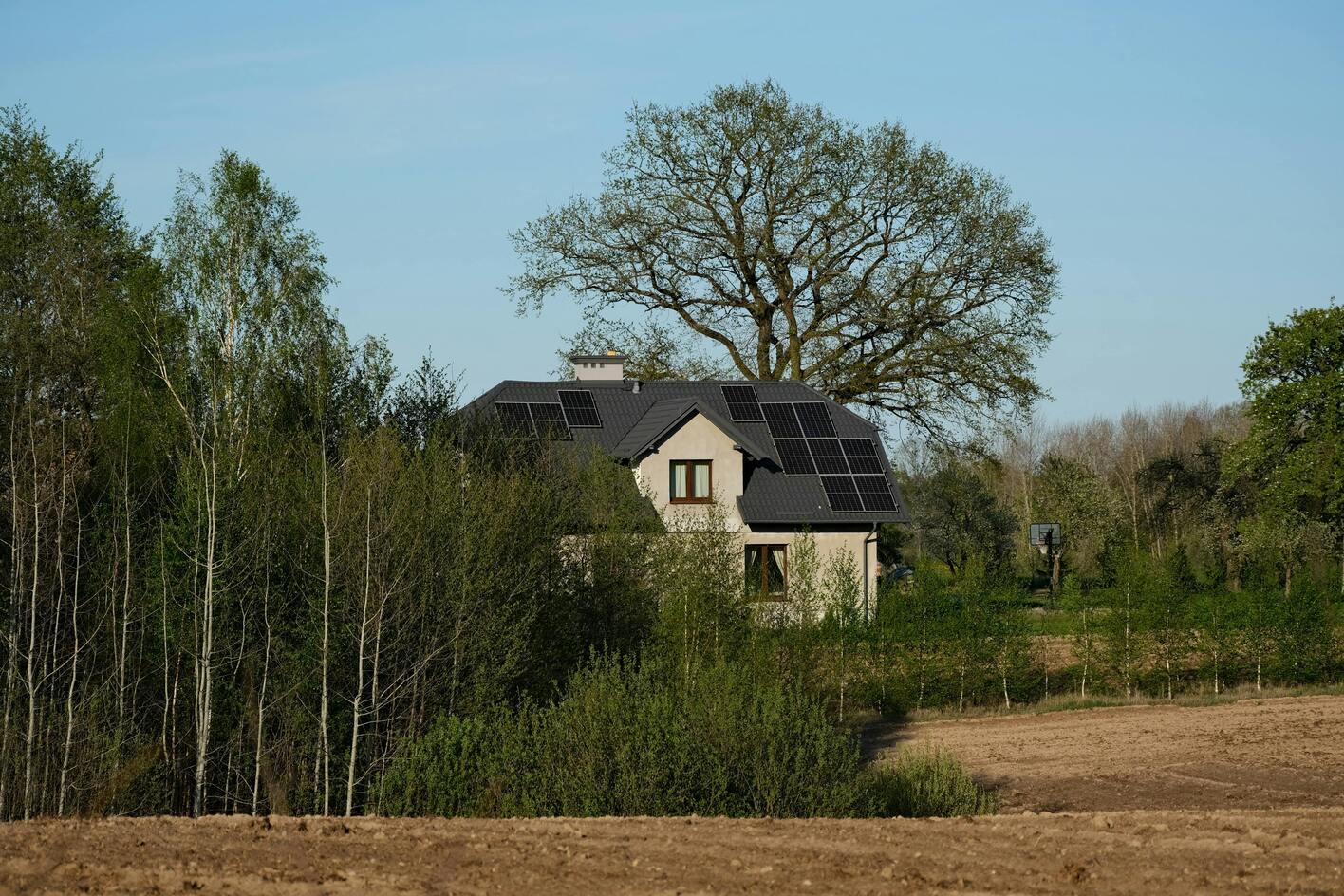
If you're considering solar energy in the Bay Area, Woodside offers distinct advantages that make it a standout choice. You'll find a blend of favorable geography, robust policy support, and strong community engagement that sets the stage for efficient and rewarding solar adoption. But it isn't just about sunlight and incentives—there are key practical and economic factors that could change the way you approach your energy needs, each worth closer inspection.
Elevated Electricity Consumption Drives Solar Demand
Woodside's electricity consumption significantly exceeds that of nearby Bay Area communities, with an annual average of 105,000 kWh per household. This figure is particularly stark when compared to the San Mateo County average of approximately 5,784 kWh. Such elevated consumption levels highlight a pressing need for alternative energy sources, particularly solar power, as residents seek to mitigate their substantial electricity expenses, which can reach around $40,000 annually.
The financial implications of high energy costs create a conducive environment for solar investment within Woodside. By installing rooftop solar arrays, residents can decrease their dependence on the grid, contributing to local renewable energy policies while advancing the sustainability objectives set forth by the Northern Bay and San Francisco regions.
Stakeholders interested in updates or further information can navigate the available options through the provided dropdown menus.
Comparative Analysis of Regional Solar Adoption
In assessing Woodside's position relative to solar adoption trends in the Bay Area, it becomes evident that the region presents a complex landscape. While households in Woodside may have higher energy consumption compared to some neighboring communities, this factor alone does not fully encapsulate the dynamics of solar adoption within the area.
Cities such as San Francisco and San Jose have consistently ranked among the top areas in the state for rooftop solar installations, reflecting their proactive policies and initiatives to promote renewable energy. In contrast, Woodside has shown a distinct pattern of growth in its residential solar sector. This may be attributed to the community's specific energy needs and a growing inclination for sustainable energy solutions.
The higher average electricity usage in Woodside, when compared to Bay Area norms, underscores the demand for innovative renewable energy solutions.
Moreover, partnerships with businesses such as SunPower, along with local policy adjustments, are contributing factors that are steering the Bay Area's energy grid towards more alternative energy sources. These initiatives position Woodside as a notable participant in the broader transition toward renewable energy as Northern California adapts to new energy realities.
Financial Incentives and Return on Investment
Investing in solar energy in Woodside presents several financial advantages for homeowners, particularly in light of the region's residential solar policies, which are among the most favorable in Northern California. These policies, coupled with federal and state programs, can lower project costs by approximately 42%.
For instance, a typical investment of $850,000 in a rooftop solar system can yield a payback period of around eight years. This duration is largely attributable to incentives such as the New Solar Initiative Tax Credits and a reimbursement rate of 22 cents per kilowatt-hour (kWh).
Furthermore, early adoption of solar technology may enhance returns for the initial five years, as existing compensation structures undergo changes.
Overall, the decision to adopt solar energy in the Bay Area is supported by both economic rationality and environmental considerations, aligning with broader sustainability goals.
Maintenance, Management, and Practical Use of Solar Systems
Investing in solar energy can lead to significant long-term savings; however, it is crucial to maintain your system effectively to fully benefit from these savings.
In regions such as Woodside and throughout the Bay Area, regular cleaning of solar panels is necessary to prevent dust accumulation, which can hinder their efficiency. Implementing a notification system can help residents schedule these cleanings in a timely manner.
It is important to note that in San Francisco, current state policies do not provide compensation for any excess energy sent back to the grid. Therefore, to maximize the utilization of renewable energy, it may be advantageous for homeowners to convert gas appliances to electric ones, thereby increasing the demand for solar-produced electricity.
While solar systems typically come with a 25-year warranty, proactive management and maintenance practices will ensure that residential systems operate effectively in both business contexts and for environmental sustainability.
By taking these measures, homeowners can optimize their investment in solar technology and contribute to a more sustainable energy future.
The Role of Local and Statewide Solar Providers
A network of local and statewide solar providers plays an essential role in establishing Woodside's reputation for solar adoption within the Bay Area.
An analysis of providers from San Francisco to other Northern California cities reveals that both residential and commercial clients benefit from established technologies and comprehensive warranties. Policy incentives, such as the California Solar Initiative Program, enhance local grid reliability while promoting the installation of rooftop solar systems.
Collaborative efforts with developers like Woodside Homes and a reputable solar panel company illustrate ongoing trends in the renewable energy sector.
These partnerships contribute to a diverse range of options for alternative energy in Woodside, positioning the community as a relevant model within California's broader efforts to increase solar adoption.
Overall, the strategic involvement of local providers, combined with supportive policies and collaborations, marks a significant aspect of Woodside's approach to renewable energy development.
Innovative Features and Sustainability Commitments in New Developments
The integration of advanced solar systems and battery storage has become a fundamental aspect of new developments in Woodside, showcasing a commitment to sustainability and innovation.
Recent residential projects are increasingly incorporating SunPower’s rooftop solar panels alongside SunVault battery systems, which contribute to grid resilience and promote efficient energy usage. This alignment with state policy objectives addresses the rising demand from Bay Area homebuyers for affordable, renewable energy solutions.
Over the past five years, Woodside's collaboration with SunPower has positioned the city as a noteworthy player in the alternative energy sector.
This partnership reflects broader trends in the San Francisco business environment, illustrating a strategic shift towards sustainable development practices.
For further information, please refer to the dropdown menu or contact us directly.
Conclusion
Choosing to install solar in Woodside isn’t just about harnessing the area’s ample sunlight—it's a smart financial and environmental decision. By taking advantage of strong policy support, advanced technology, and local community programs, you can lower energy costs, support sustainability, and improve property value. With ongoing innovations and a supportive community, you’re positioned to benefit now and into the future. Woodside truly offers you an optimal environment for solar investment and long-term gains.