
What Happens to Solar Panels at the End of Their Lifespan
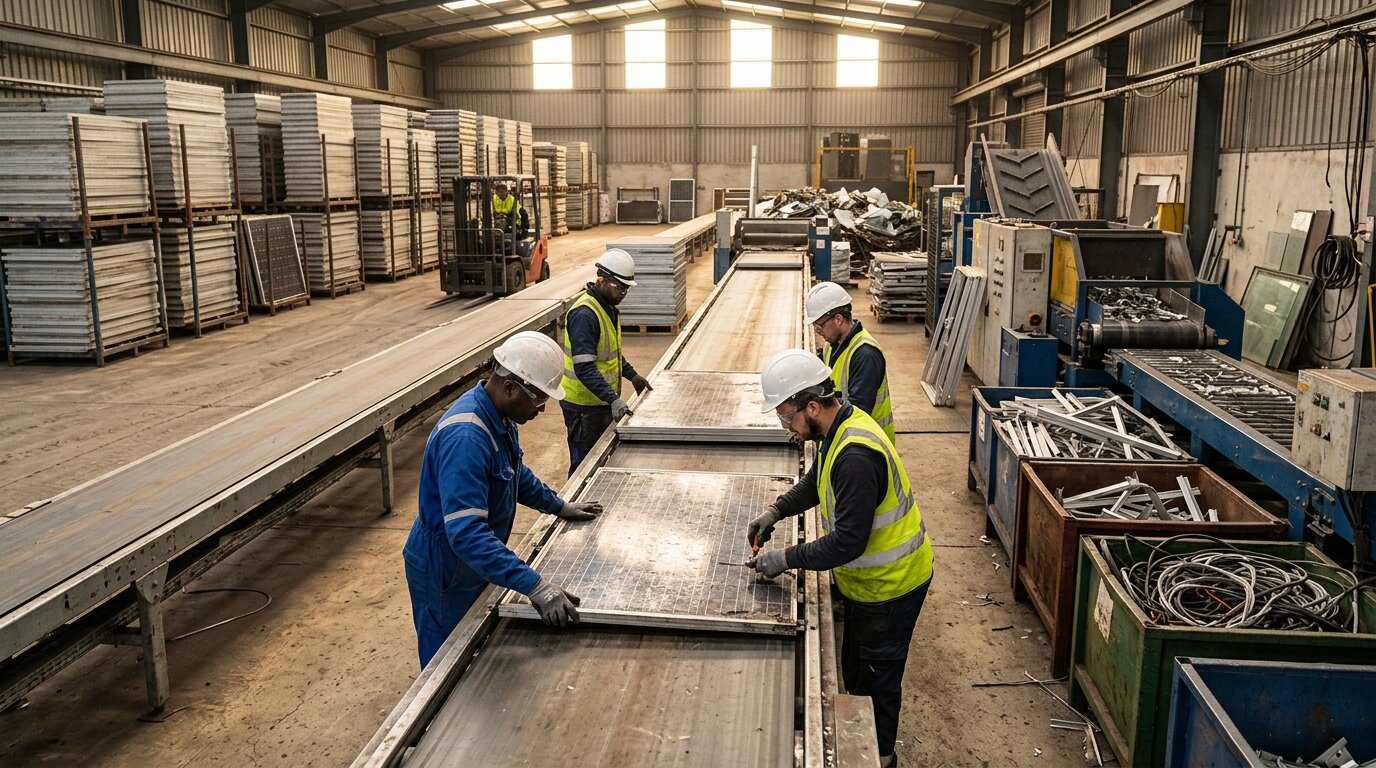
When your solar panels reach the end of their lifespan, you face more choices and responsibilities than you might expect. They don’t just stop working—they slowly lose efficiency, raising questions about disposal, recycling, and environmental impact. If you’re wondering how state laws, hazardous materials, and industry innovations shape your options, you’ll find there’s more to consider than meets the eye.
Background and Significance of Solar Panel Waste
The issue of solar panel waste is gaining attention as the adoption of solar energy continues to rise in the United States. While solar panels offer a means of generating electricity with minimal emissions, their end-of-life management is becoming increasingly critical. Projections indicate that by 2030, the nation could generate approximately one million tons of solar panel waste. This situation necessitates responsible disposal and recycling practices.
Solar panels contain trace amounts of heavy metals, such as lead and cadmium, in addition to valuable materials like silver and copper. These components are regulated under various federal and state guidelines, including those established by the Environmental Protection Agency (EPA) and the Resource Conservation and Recovery Act (RCRA).
Panels that do not pass the toxicity characteristic leaching procedure (TCLP) tests may be classified as hazardous waste. Consequently, it is crucial to implement appropriate, environmentally sound methods for managing the disposal and recycling of these materials to mitigate potential environmental risks.
Types of Solar Panels and Their Key Components
The market for solar panels is predominantly characterized by two principal technologies: crystalline-silicon and thin-film panels. Crystalline-silicon panels command a significant market share of over 95%. These panels typically utilize materials such as silver and copper, enabling them to convert sunlight into electricity effectively while producing clean energy without the need for fossil fuel combustion.
In contrast, thin-film solar panels are manufactured using materials like cadmium telluride (CdTe) and copper indium gallium diselenide (CIGS). It is important to note that these materials may contain trace amounts of heavy metals, which raises concerns regarding their environmental impact.
Consequently, regulatory frameworks like the EPA's Management and Resource Conservation and Recovery Act (RCRA) necessitate that states manage the disposal of these panels according to specified waste regulations. When decommissioned, thin-film panels may be classified as hazardous waste, making proper disposal and recycling procedures critical.
This includes implementing toxicity characteristic leaching procedure (TCLP) testing to evaluate potential environmental risks. Adhering to these regulations and best practices is essential to mitigate the environmental impacts associated with thin-film solar technologies.
Average Lifespan and Degradation Factors
Most residential and commercial solar panels available today have a lifespan ranging from 25 to 30 years. However, it is important to note that their performance typically diminishes gradually over time. Studies indicate that each panel's efficiency decreases by approximately 0.5% to 1% per year due to consistent exposure to sunlight and environmental conditions. This decline underscores the necessity for effective management strategies as the panels reach the end of their operational life.
The types of solar panels in use, such as cadmium telluride (CdTe) and copper indium gallium diselenide (CIGS), may contain trace amounts of valuable elements and potentially hazardous materials like lead and cadmium. These factors raise concerns regarding the recycling and disposal processes of solar panels.
Additionally, regular usage, extreme weather conditions, and ultraviolet (UV) exposure can further influence the panels' longevity.
As solar panels approach the conclusion of their useful life, it becomes increasingly critical for states, third-party organizations, and environmental agencies like the EPA to explore comprehensive recycling options and establish protocols for responsible disposal. Addressing these issues is essential to mitigate environmental impact and optimize resource recovery within the solar energy sector.
Hazardous Waste Classification and Regulatory Overview
The classification and regulation of end-of-life solar panels are crucial for maintaining environmental integrity and public health. When solar panels are discarded, they generally fall under the category of solid waste according to the Resource Conservation and Recovery Act (RCRA).
However, the status of these panels can change based on specific assessments, such as the Toxicity Characteristic Leaching Procedure (TCLP). This procedure tests for the presence of heavy metals, including lead and cadmium, which are commonly found in cadmium telluride (CdTe) and copper indium gallium diselenide (CIGS) solar panels. If these heavy metals are present at hazardous levels, the panels may be classified as hazardous waste.
Regulatory approaches can vary between the Environmental Protection Agency (EPA) and state authorities. In some instances, solar panels may be classified as universal waste, a designation that facilitates recycling and proper handling. This classification is intended to promote recycling efforts and minimize the impact of potential hazardous materials on the environment.
Overall, effective management and appropriate disposal methodologies are essential for safeguarding valuable materials and protecting public health. Federal oversight plays a significant role in ensuring compliance with these regulations, promoting efficiency, and maintaining safety standards within the solar energy sector.
State-Level Approaches to Solar Panel End-of-Life Management
In recent years, various states have developed their own strategies for managing end-of-life solar panels, acknowledging that a uniform method may not be effective in all regions.
California categorizes solar panels as universal waste, which streamlines the recycling process and ensures responsible disposal in alignment with its solid waste regulations.
In Hawaii, the state environmental agency prioritizes the management of solar panels with an emphasis on the regulation of heavy metals and trace hazardous materials.
In New Jersey, the Solar Panel Recycling Commission has been established to explore efficient disposal options for solar panels.
Additionally, states such as Washington and North Carolina are in the process of formulating regulations aimed at mitigating environmental impacts, taking into account the types of valuable materials present in photovoltaic (PV) panels and their potential implications for human health.
This state-level variability highlights the importance of tailored approaches to address the specific challenges and opportunities associated with solar panel end-of-life management.
Recycling and Disposal Options for Used Solar Panels
End-of-life management for solar panels increasingly emphasizes recycling as a means to recover valuable materials and mitigate environmental risks. Compliance with the Resource Conservation and Recovery Act (RCRA) and relevant state regulations is essential, given that solar panels may contain trace amounts of heavy metals such as lead and cadmium.
In certain jurisdictions, notably California, solar panels are categorized as universal waste, which facilitates more efficient management practices. For more information on solar panel disposal and recycling, you can visit https://solarpanelsgeorgia.com/.
Recycling processes can recover metals, including silver and copper, while proper disposal is crucial to prevent hazardous materials from adversely affecting human health and ecosystems.
The types of solar panels in use vary, with some incorporating cadmium telluride (CdTe) and others utilizing copper indium gallium diselenide (CIGS).
In an effort to promote environmentally responsible practices, the Environmental Protection Agency (EPA) advises conducting toxicity characteristic leaching tests to assess and ensure safe and responsible disposal methods.
Overall, a structured approach to managing used solar panels is vital for minimizing their environmental impact.
Innovations and Ongoing Challenges in Solar Panel Waste Management
The recycling technology for photovoltaic modules is advancing; however, the industry faces several enduring challenges.
When managing solar panels at the end of their life cycle, it is essential to account for the complexity of materials involved, including cadmium telluride (CdTe) and copper indium gallium diselenide (CIGS). Some of these materials contain trace amounts of heavy metals, necessitating careful handling.
Regulatory frameworks such as the Resource Conservation and Recovery Act (RCRA), enforced by the EPA and various state agencies, mandate specific disposal procedures. This includes the implementation of tests like the toxicity characteristic leaching procedure (TCLP) to assess the potential environmental impact of waste materials.
Despite enhancements in recycling processes, the costs associated with these technologies remain high. Additionally, the varying regulations across different jurisdictions further complicate the responsible disposal of solar panel waste, which is projected to reach approximately one million tons in the United States.
The combination of regulatory compliance, material complexity, and economic factors presents significant hurdles for effective solar panel waste management.
Conclusion
As you consider the future of your solar panels, it's important to understand your options when their lifespan ends. Whether you recycle, repurpose, or dispose of them, your decisions impact both the environment and the industry. By staying informed about new regulations, recycling programs, and evolving technologies, you can make choices that support sustainability. Ultimately, your awareness and actions can help shape a more responsible approach to solar panel waste for years to come.