
How to Expand Your Solar System After Installation
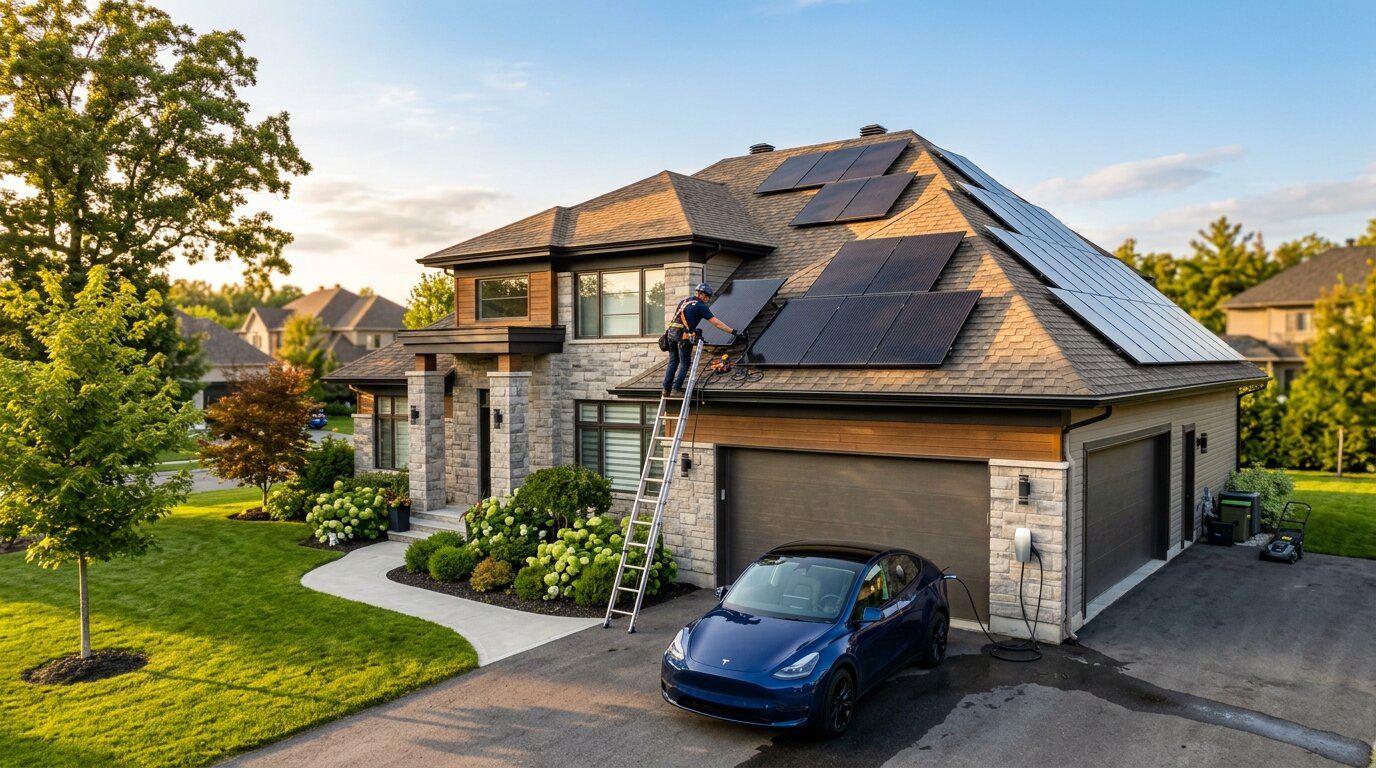
If you’re thinking about boosting your home’s solar capacity, you’ll want to consider key technical, financial, and practical factors before taking the next step. Maybe your energy needs have grown, or you want to take advantage of new incentives. Whatever your reasons, it’s not as simple as adding panels. There are critical compatibility checks and cost considerations that can make a real difference in your plans. Here’s how to approach expansion the right way.
Reasons and Scenarios for Expanding Your Solar Array
As energy requirements evolve—potentially due to the addition of electric vehicles, battery storage systems, or the full electrification of a home—existing solar systems may become insufficient to meet the increased demand. This rise in electricity consumption often serves as a rationale for expanding a solar array.
For instance, if you require an electric vehicle charger or wish to enhance battery integration, adding more solar panels can help augment energy supply and subsequently lower electricity costs.
It is important to consider the current policies surrounding solar energy, as regulations related to net metering, tax credits, and local rebates may have changed. These factors can significantly impact the financial viability of expanding your solar installation.
Therefore, it is advisable to review these policies prior to making any decisions about installation.
For those contemplating an expansion, reaching out to the original installer or visiting solarpanelssouthcarolina.com can provide insights and facilitate any necessary upgrades.
Alternatively, seeking assistance from certified installers is also a viable option, whether for older systems that require enhancements or for new installations utilizing advanced technologies, such as those available from Enphase.
Assessing Compatibility and Space for Additional Panels
An effective solar system expansion requires a thorough evaluation of your existing setup and roof space availability.
First, confirm that there is sufficient space for additional panels, as areas that are shaded or poorly oriented may impede energy production. It is important to identify whether your current system is equipped with Enphase microinverters or a string inverter, as the installation of additional panels may necessitate an upgrade to your inverter.
Furthermore, reviewing recent utility bills can provide insights into your electricity consumption, which is essential for determining the appropriate scale of expansion. Engaging with your original installer can be beneficial, particularly if your system has been in place for several years.
Additionally, it is advisable to take into account regional climate conditions, local net metering policies, the electric load of household appliances, and any anticipated increases in electricity requirements before proceeding with the installation of new panels.
Each of these factors plays a significant role in ensuring that the expansion is both efficient and cost-effective.
Understanding Costs and Financial Incentives
Cost analysis is a crucial component of any plan to expand solar system capabilities. The initial step involves assessing the financial implications of installing additional solar panels, with costs generally ranging from $4,000 to $9,000. This price variation is influenced by factors such as available roof space, the size of the system, and whether the installation of a new Enphase string inverter or charger is necessary.
It is essential to determine if expanding the existing solar system or adding battery storage will meet current electricity demand, including considerations for heat pumps and electric vehicles.
A thorough understanding of federal solar tax credits, local rebates, and the benefits of various metering plans is advisable, as these can significantly affect overall financial viability.
Changes in electricity consumption or evolving regulatory frameworks can impact potential savings, particularly with respect to net metering policies. For further assistance, it is recommended to consult with the original installers or the relevant utility provider to explore available options and support.
Key Technical and Regulatory Considerations
When considering the expansion of your solar system, it is essential to address several technical and regulatory requirements to facilitate a seamless upgrade. First, evaluate the available roof space for additional panels, particularly in light of any increases in electricity consumption or the introduction of electric heating appliances and heat pumps.
It is also important to determine whether your existing Enphase or string inverter has the capacity to accommodate the new panels; if the inverter is several years old, you may need to replace it.
Additionally, familiarize yourself with your utility company’s metering policy. Changes in regulations could impact net metering or net billing arrangements.
It is advisable to obtain the necessary permits and investigate any applicable local rebates that may assist in defraying costs. Lastly, consider reaching out to your original installation company for guidance and support during the expansion process.
This careful approach will help ensure compliance with all relevant technical and regulatory considerations.
Evaluating Alternatives and Efficiency Upgrades
To optimize the output of your solar system, it is essential to conduct a thorough evaluation of potential alternatives and efficiency upgrades.
If your solar panels are several years old, consider upgrading to newer high-efficiency models or integrating Enphase microinverters, both of which can enhance energy yield without necessitating additional roof space. Additionally, exploring battery storage solutions or the integration of an electric vehicle charger may prove beneficial, particularly in response to increasing electricity demand and rising utility costs.
A comprehensive shading analysis is advisable as a preliminary step. This can inform whether a new string inverter is required or if you might qualify for available tax credits or local rebates.
For those seeking assistance with the installation of additional components or a review of net billing policies, professional consultation may be warranted.
Conclusion
Expanding your solar system isn't just about adding more panels—it's about planning smartly for future energy needs. By assessing your current setup, understanding technical and financial options, and keeping an eye on regulations and incentives, you'll make informed decisions that maximize efficiency and savings. Whether you choose system upgrades or new panels, a careful approach ensures you’ll benefit long-term. Stay proactive, monitor your system, and adapt as technology and policies evolve to keep your solar investment working for you.